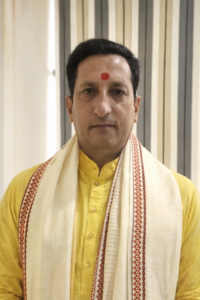
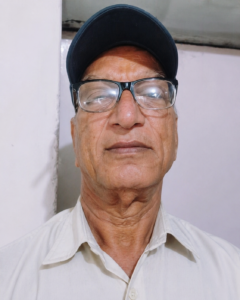
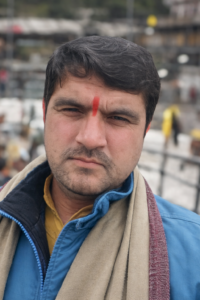
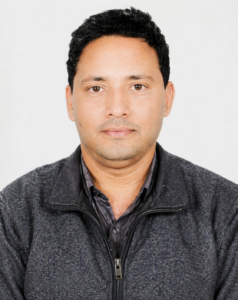
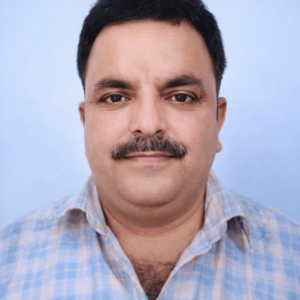
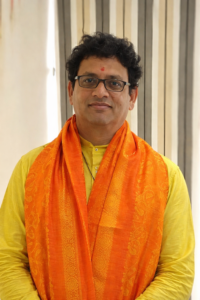
Behind Brahma Kapal Teerth is a dedicated team committed to serving pilgrims and preserving the sacred traditions associated with Brahma Kapal and Badrinath Dham.
Our team works with श्रद्धा, सेवा और समर्पण, helping devotees and families understand the significance of Pind Daan, Tarpan, Shradh and other ancestral rituals performed at this sacred Teerth.
Our purpose is not only to conduct sacred rituals but also to serve devotees with humility, respect and sincerity. We believe that every family who comes to Brahma Kapal carries a deep emotional and spiritual connection with their ancestors.
With the blessings of Lord Narayana and the sacred presence of Brahma Kapal, our team remains dedicated to serving pilgrims and upholding the sanctity of this ancient Teerth.
श्रद्धा से सेवा, परंपरा से जुड़ाव
॥ ॐ नमो नारायणाय ॥
Hatwal community
The Hatwal community carries a revered connection with Brahma Kapal through its historical role in ritual practices, temple traditions, and ancestral ceremonies. Members of this community have long been linked with guiding devotees and supporting sacred rites performed at the holy confluence. Their contribution lies in preserving the sanctity of the traditions associated with Pitru Moksha and ensuring the continuity of Vedic procedures followed at Brahma Kapal.
Hatwal community
The Hatwal community carries a revered connection with Brahma Kapal through its historical role in ritual practices, temple traditions, and ancestral ceremonies. Members of this community have long been linked with guiding devotees and supporting sacred rites performed at the holy confluence. Their contribution lies in preserving the sanctity of the traditions associated with Pitru Moksha and ensuring the continuity of Vedic procedures followed at Brahma Kapal.
Kothiyal community
The Kothiyal community holds deep spiritual and ancestral ties with Brahma Kapal, Badrinath, especially in the sacred rituals of Pind Daan, Shraddha and ancestral salvation. Traditionally associated with priestly and ritual-support roles, the Khotiyals have preserved generations of Vedic customs linked to the sacred site. Their lineage is believed to have served pilgrims and assisted in rites connected to liberation (moksha) for departed souls. The community is respected for safeguarding ritual traditions and passing down sacred knowledge related to Brahma Kapal.
Sati community
The Sati community is an important part of the cultural and religious fabric associated with Brahma Kapal. Known for their devotion and hereditary association with pilgrimage traditions, they have contributed to maintaining spiritual practices and supporting pilgrims performing ancestral rites. The Sati lineage is often connected with service, faith, and the preservation of age-old customs that make Brahma Kapal a powerful destination for Pitru Tarpan and Pind Daan.
Nautiyal community
The Nautiyal community is one of the respected and prominent Garhwali Brahmin lineages of Uttarakhand, deeply rooted in spirituality, scholarship, and religious traditions. Traditionally associated with priesthood, Vedic rituals, astrology, and preservation of sacred customs, the Nautiyal community has played an important role in maintaining the spiritual heritage of the Himalayan region.