
“पिण्डम् कृत्वा विशालायाम् पितृन् उद्दिश्य भामिनि, अन्य तीर्थे न च श्राद्धम् केवलम् तर्पणम् चरेत् ॥
“बहूनि सन्ति तीर्थानि दिवि भूमौ रसासु च बदरी सदृश्यं तीर्थं न भूतो न भविष्यति ।।”
“पंच कुण्डानि तिष्ठन्ति ब्रह्मकपाल पापनाशनं स्नानं दानं तप: होम: सर्वम् अक्षयमिष्यते ।।”
“दद्यात् ब्रह्मकपालेऽस्मिन् पिण्डम् पुत्र: अथवा अपर: सर्वम् लोकम् याति नूनम् इति न संशय: ।”
विशाला (बदरीनाथ): यहाँ बताया गया है कि बदरीनाथ (विशाला) में पितरों के निमित्त पिण्डदान करने के बाद अन्य किसी तीर्थ में श्राद्ध की आवश्यकता नहीं रहती, केवल तर्पण पर्याप्त है।तीर्थ की महिमा: स्वर्ग, पृथ्वी और पाताल में कई तीर्थ हैं, लेकिन बदरीनाथ के समान कोई तीर्थ न था और न कभी होगा।ब्रह्मकपाल: यहाँ किए गए स्नान, दान, तप और होम ‘अक्षय’ (कभी न नष्ट होने वाला) फल देते हैं। ब्रह्मकपाल पर पिण्डदान करने से व्यक्ति निश्चित रूप से उत्तम लोक को प्राप्त करता है।
According to Vedic mythology, Lord Shiva once severed the fifth head of Lord Brahma in a moment of cosmic justice. However, the severed head (Kapal) became stuck to Shiva’s palm, manifesting the sin of killing a Brahmin. After wandering through the three worlds, Mahadev finally reached this spot in Badrinath. By the divine influence of Lord Narayana’s penance and the sanctity of this land, the Kapal fell from his hand. Thus, the site earned the name ‘Brahm Kapal.’
नरनारायणौ चैव जगतो हित काम्यया। तप्येते च तपः सौम्ये पुराणे ऋषि सप्तमी। प्राप्तो यान्ति समागम्य तीर्थे बदरिकाश्रमे, गुणज्ञो जायते यत्र गंगाया विपुले तरे।।
“सम्पूर्ण जगत के कल्याण की मंगलकामना से, प्राचीन काल के श्रेष्ठ ऋषि स्वरूप भगवान नर और नारायण इस अत्यंत शांत और पवित्र स्थान पर कठिन तपस्या में लीन रहते हैं। जो भी सौभाग्यशाली मनुष्य इस बदरिकाश्रम तीर्थ में पहुँचता है और यहाँ (विष्णुगंगा के तट पर) देवताओं व ऋषियों के इस पावन संगम का सानिध्य पाता है, वह दिव्य गुणों से संपन्न हो जाता है। यहाँ गंगा की विशाल और पवित्र लहरों के सानिध्य में आने वाला व्यक्ति समस्त दोषों से मुक्त होकर ज्ञान को प्राप्त करता है और उसका उद्धार हो जाता है।”
बदरीनाथ कृपया मुद्रा जयति रामते। जयति सदा बदरीनाथो दिग्विजयी।
तस्यामाश्रमं तु ददृशु नरनारायणाश्रमम्। पुष्पितै: पादपै: दिव्यै: सदा पुष्पफलोपगै:॥ दिदृक्षु हतश्च बदरीवृत्त एकाग्रं मनोरमाम्। स्निग्धां विरल रोमां ति परगया शुभाम्॥ यथै स्निग्धै: विरले रविरलै: कपैर्सा मृदुभि: शुभाम्। विशालं शाखा विस्तीर्णां अति भूति रागे चिताम्। फलै: रुपा चैतै: दिव्यै राचितै: स्वादुभि र्मृशम्। मधुरसै: सदा दिव्यां महर्षिगण सेविताम्। मद प्रमुदितैर्नित्यं नाना द्विजगणैर्युताम्।
महाभारत में जब पाण्डव वन को गये थे तो उल्लेख है कि उन्हें बहुत ही सुन्दर सुगन्ध वाले पेड़ फल पुष्प पुंज मिले।
बदरी वन की अधिकता के कारण यह विधान बना कि नर-नारायण की मूर्ति बनाकर उन्हें बदरी वृक्ष के नीचे रखकर पूजना चाहिये। उल्लेख मिलता है कि परशुराम भी मिथिला में शिवधनुष रखकर तपस्या हेतु बदरी वन की ओर चले गये थे। राजा कत्यूरी वंश जिनका किसी समय में गढ़वाल के उच्च भाग में शासनों के दान का वर्णन इन शब्दों में किया गया है –
Nestled in the lap of the Nar and Narayan mountain ranges, Badrinath Dham is situated on the banks of the Alaknanda (Vishnuganga) River at an elevation of 3,110 meters. Its prominence was documented by the British historian Atkinson in the Himalayan Gazetteer (1881), where he described Badrinath as a majestic peak and a temple village serving as a vital spiritual hub on the route from Srinagar to Mana Pass.
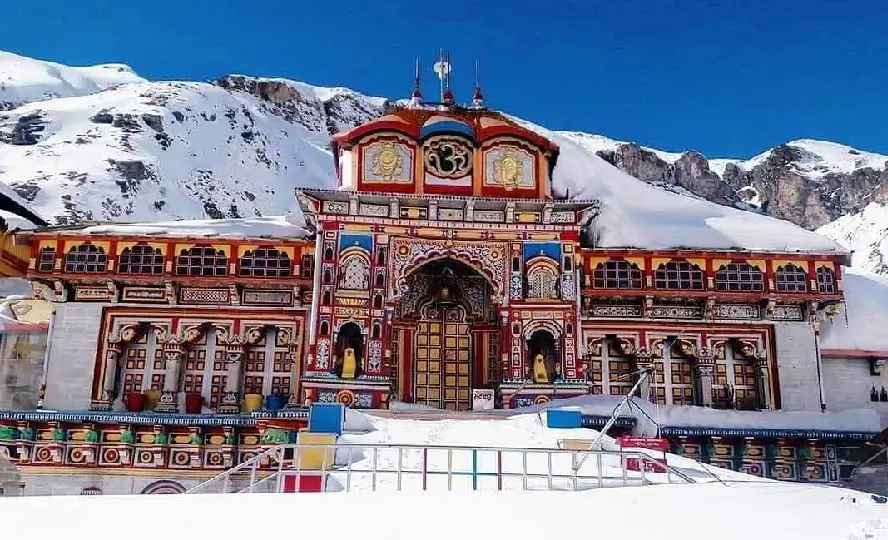
The historical and spiritual identity of this holy land has evolved across the four cosmic cycles (Yugas), known by different names in the Puranas:
Satya Yuga – Muktiprada Kshetra: In the age of truth, it was known as the “Land of Liberation.” It was a sanctuary where seekers, including ancient Jain monks, came to detach themselves from worldly ties and seek ultimate salvation.
Treta Yuga – Yogasiddha Kshetra: During this era, the land became the “Field of Yogic Perfection.” Renowned sages like Agastya, Marichi, and Mandhata performed rigorous penance here to attain spiritual powers and divine siddhi.
Dvapara Yuga – Vishala Puri: Named after the Suryavanshi King Vishala, who successfully sought divine boons from Nar-Narayana after a great struggle. Since then, the shrine has been affectionately called Badri Vishal.
Kali Yuga – Badrinath / Badrikashram: In the present age, it is most widely recognized as Badrinath. Ancient texts describe Badrikashram as a lush landscape covered with Badri (Ber) trees, where the Alaknanda flows nearby and where the great devotee Prahlada and the sages Nar-Narayana performed their eternal meditation.

The ritual begins with a sacred vow (Sankalp), where the devotee states their name, gotra, and the names of ancestors for whom the ritual is being performed. This step connects the ritual spiritually with the ancestors.

In this sacred step, water mixed with black sesame seeds and kush grass is offered to ancestors in the Alaknanda River. Tarpan satisfies and honors departed souls, ensuring their spiritual peace and seeking their eternal blessings.
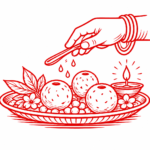
Pind (rice balls made of flour, sesame seeds, and other sacred materials) are prepared and offered with proper mantras. These pind represent nourishment and symbolic offering to the ancestors.
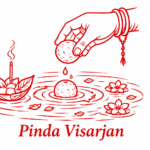
The prepared pind are then respectfully immersed in the holy river, completing the offering and helping the souls move towards peace and liberation.
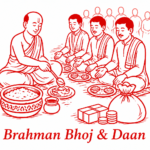
The ritual concludes with feeding Brahmins and giving donations (daan), which is considered highly auspicious and essential for completing the Shradh ceremony.
“ब्रह्मकपाले गयायां च कुरुक्षेत्रे च पुष्करे । यत्कृतं पितृभ्यस्तत् सर्वं तदक्षय्यमुच्यते ॥”
“जीवतो वाक्यकरणात् धन्यं भूरिभोजनात्। गयायां पिण्डदानाच्च त्रिभिः पुत्रस्य पुत्रता॥”
ब्रह्मकपाल, गया, कुरुक्षेत्र और पुष्कर जैसे तीर्थ अत्यंत पवित्र माने जाते हैं।इन स्थानों पर किया गया पिंडदान और श्राद्ध विशेष फल देता है।पितरों के लिए किए गए कर्म यहाँ अक्षय (कभी समाप्त न होने वाले) होते हैं।इन तीर्थों में किए गए कर्म से पितरों को शांति और मोक्ष प्राप्त होता है